

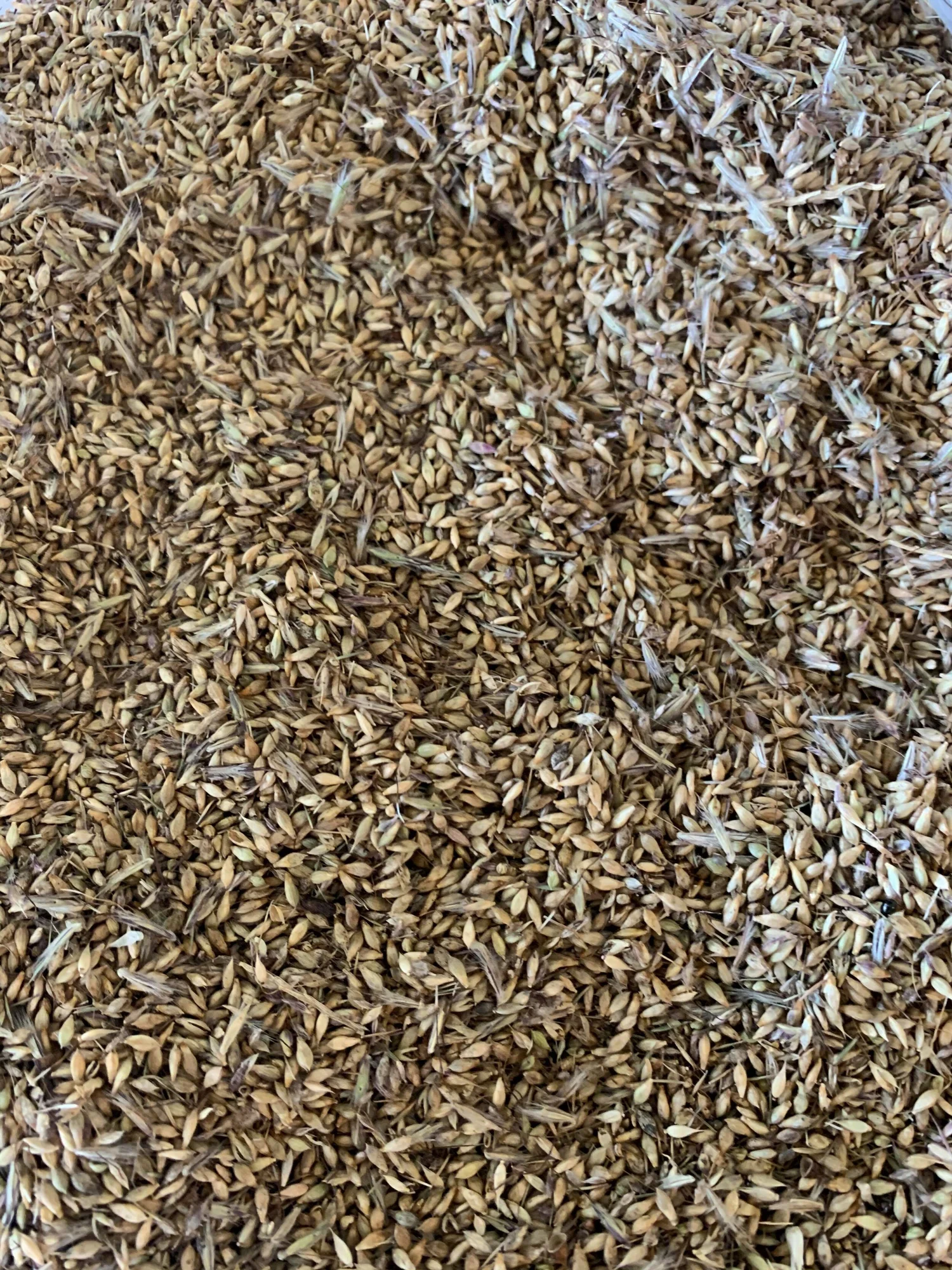
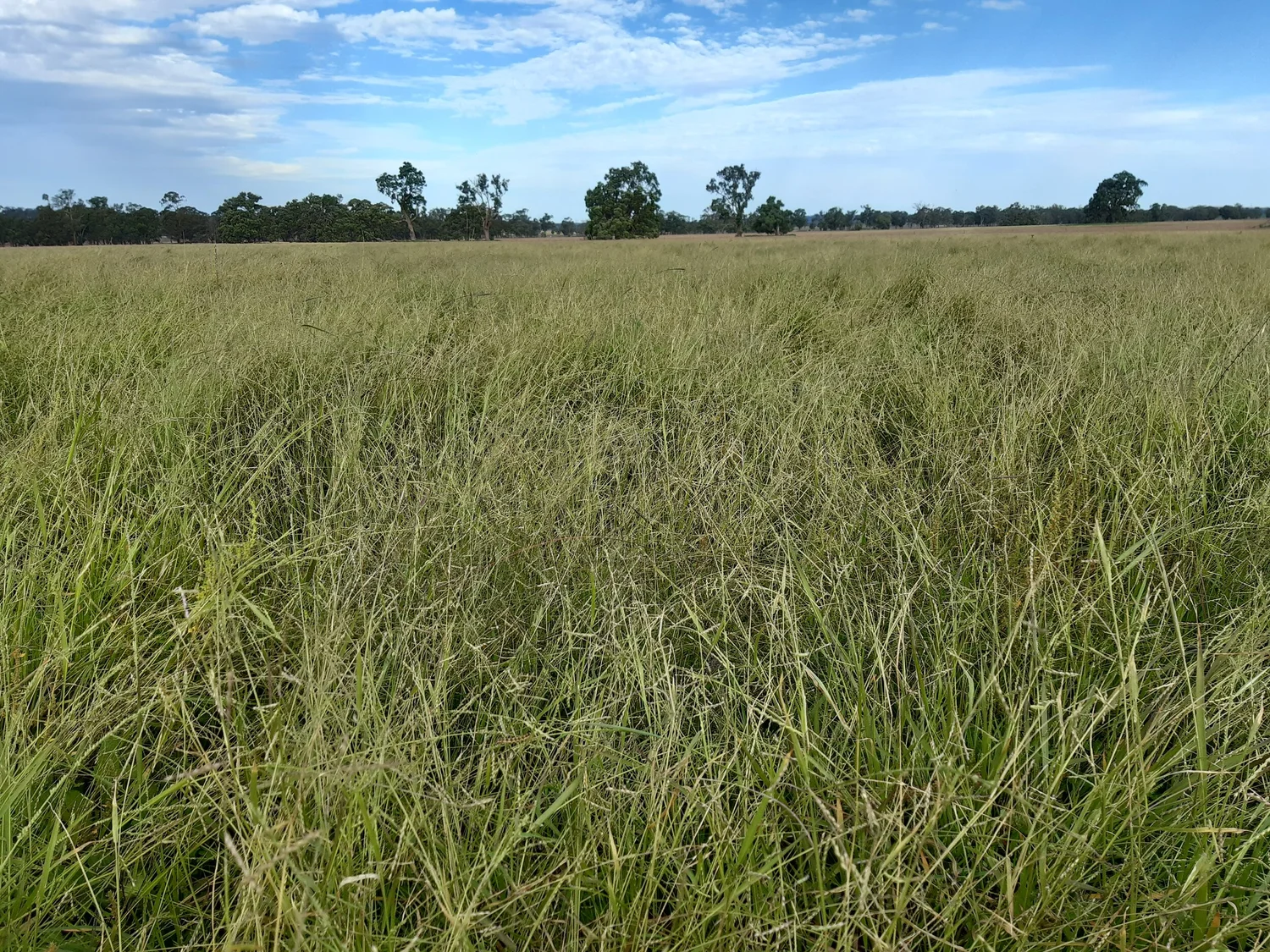
Winona Native Grass Seed Mix 1
- Sowing rate
- 2-3kg/ha
Pack sizes
Freight is worked out at the cart from where it's going. We can't send seed to WA or the NT.
The mix includes Warrego Summer Grass, Green Summer Grass, and Red Grass. The proportion of Red Grass seed in the mix has been reduced to enable it to flow through a seedbox.
What's in the mix
- Warrego Summer Grasspaspalidium distans
This species of paspalidium grows on a varying range of soils and over a wide geographical area being found from Victoria and South Australia, NSW to Northern Queensland and Northern Territory. It is a very high-quality grazing C4 summer active perennial grass that grows to a height of 60 cm producing a lot of very high-quality stock feed. Warrego is a small (Lucerne size) awnless seed which can be sown through a regular small seedbox (pasture seedbox)
- Red Grassbothriochloa macra
Bothriochloa macra, also known as red-leg grass, is a perennial grass species that is native to eastern Australia, and South Australia. It is naturalised in Tasmania and Norfolk Island and in South Australia it is classified as near threatened. Red grass grows up to 100 cm tall and is distinguished by its red colouring as it matures. It is considered to be very drought tolerant and produces good quality feed early in the summer, but as it makes seed heads, feed quality decreases. It is an excellent grass for producing large amounts of biomass and invaluable in a mix with other species.
- Green Summer grassbrachiaria miliiformus - recently renamed urochloa subquadripara
Green summer grass, also known as arm grass millet, is regarded as a short-lived perennial grass that produces large quantities of small-medium seed (clover size). It is a colonising species which will spread rapidly; consequently, it will establish quickly from seed. Because of this, it is an excellent species to transition property to perennial native pasture. This grass produces large quantities of very high-quality summer forage from late spring to early winter when it goes into winter dormancy. The plant also produces excellent dry feed in its dormant state. Green summer grass grows naturally in all states of Australia except Tasmania
Sowing methods
Most warm-season perennial grass species(C4) are sown as the weather and soil warms in October to November when the soil temperature reaches 17-18 degrees Celcius. I would recommend sowing with a zero-till seed drill at a depth of 5-10 mm, into moist soil that is free from summer weeds.
Red grass and cotton panic can be spread during this time.
It is not usually recommended to sow warm-season grass during the autumn-winter months, but I have seen good results with native species sown at that time.
Warm-season (C4) perennials will not germinate during the cold months but will wait until the soil temperature and moisture is suitable for germination (usually October to December)
The advantage of sowing C4 grass species this way is that winter pasture species (C3) can be sown with the C4 seed, at the same time.